
Bolder receives additional funding for Antwerp tire pyrolysis facility
The facility is also expected to generate approximately 21,000 tonnes annually of tire-derived oil through the company's pyrolysis process.
Weibold keeps you abreast of the most important news, events, technology advances and market trends in tire recycling and pyrolysis industry.
WebinarsSponsored

The facility is also expected to generate approximately 21,000 tonnes annually of tire-derived oil through the company's pyrolysis process.

Tyrewise has reported continued progress in integrating New Zealand’s regulated tire recycling scheme into everyday industry operations, with growing participation from stakeholders and increasing interest in market development opportunities for end-of-life tires.
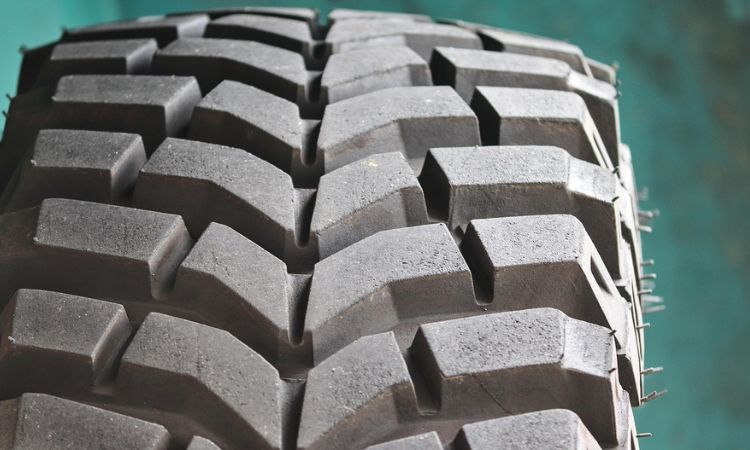
Today, advances in devulcanization technology are beginning to change that equation. New processes designed to selectively break sulfur cross-links while preserving the underlying polymer structure are creating opportunities to recover rubber in a form that can potentially be reused in more demanding applications.
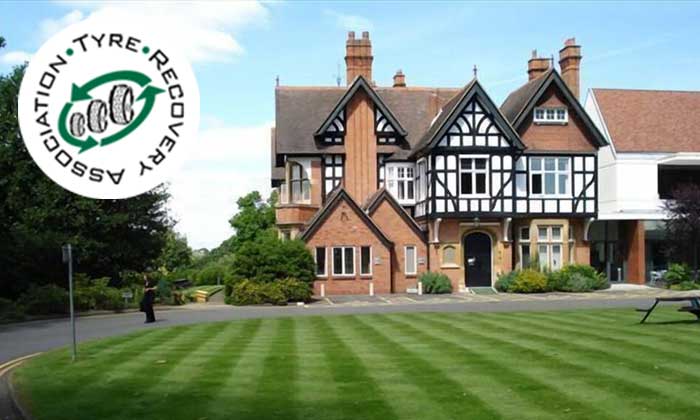
The event is expected to include presentations from technical experts and market specialists on how recycled tire materials can be used in infrastructure projects while supporting circular economy and sustainability objectives. Planned topics include market opportunity analysis, regulatory updates and the impact of Digital Waste Tracking. The role of tire retailers and distributors within the circular economy value chain is also expected to be discussed. Participation is free for TRA members, media representatives, industry partners and regulators. Other attendees can participate for £70 plus VAT, including refreshments and a buffet lunch.

Commenced the work of preparing the documents and supporting materials required for a forthcoming application for plan negotiations within the framework of the reorganisation. Enviro assesses that the secured financing, together with the measures taken as set out above and the ongoing cash flow from the business, creates the conditions for a successful completion of the reorganisation and the achievement of a long-term sustainable capital structure.
The Hawkesbury facility was designed as a 46,200 square-foot plant with 2 reactors. Once fully ramped up, it was expected to process approximately 1.3 million to 1.5 million end-of-life tires annually and produce 4,000 metric tons of recovered carbon black, 5,000 metric tons of pyrolysis oil, 2,000 metric tons of steel and 1,200 metric tons of process gas.

The Jiaxing Plant has enhanced its production capabilities by increasing the use of sustainable materials and optimising processes. It has established a stable system for products incorporating bio-based and recycled inputs, operating a quality management system based on the mass balance approach. Under its circular economy strategy named E.Circle, Hankook continues to raise the share of sustainable materials.

The milling and pelletising plant of the expanded unit also entered regular production operations in April at a processing rate of 750 kg/hour. Pyrum said a short-term capability analysis carried out during commissioning showed 'stable process conditions and reproducible product quality' for the TTB material. Following an audit, “Continental granted full supply approval for the rCB material for use in tire manufacturing,” said Pyrum.
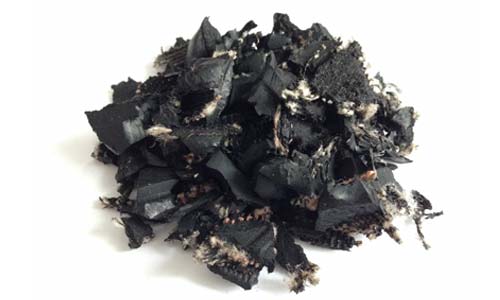
The scrap tire crisis carries real environmental and community risk. As collection and recycling falls far behind, the danger for issues from fraud to fire have piled up as well. These processing shortfalls have also greatly impacted our hauling, collection and recycling businesses- raising concerns about the long-term sustainability and credibility of the province’s recycling framework.
Sponsored