
Tire Recycling Consulting
Pyrolysis Consulting
Shop
Webinars
Used Equipment
Advertising
News Events FAQ About Us Contact Search
News Events FAQ About Us Contact Search
This report contains the following items:
TPO is not a drop-in refinery feed. Its successful integration depends on understanding contaminants, boiling range, stability, hydrogen demand, and the practical limits of refinery and petrochemical units. This report gives stakeholders a structured, decision-oriented view of where TPO fits, what treatment it needs, and which end-use routes are technically credible and commercially defensible.
For pricing, delivery details, or to discuss a custom advisory scope based on your specific TPO quality, asset configuration, or target market, please contact Weibold.
Weibold is conducting trend, market and technology studies for Clients around the globe. Our Clients include plant operators, investors, lenders, recycling associations, technology providers, and product manufacturers. Now selected cross sections of the knowledge we have collected and pooled in our research database is available for recycling strategists and operators looking for innovations and trends on specific subjects in world-wide markets.
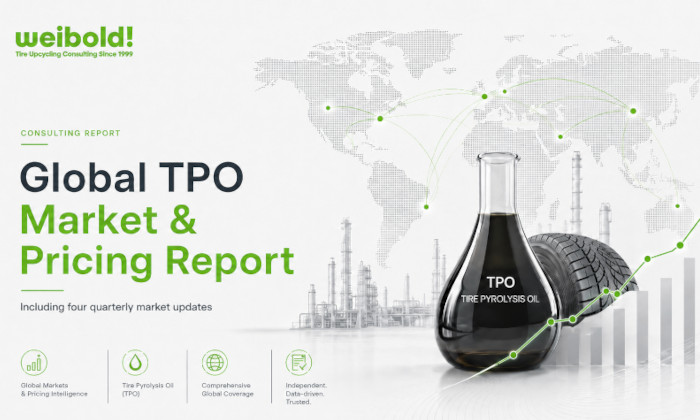
Global tire pyrolysis oil (TPO) market intelligence: regional pricing, supply-demand dynamics, regulatory drivers, quality benchmarks, and four quarterly market updates in extended newsletter format. TPO is shifting from a local industrial fuel substitute to a strategic circular feedstock. However, only well-documented, traceable, and quality-controlled TPO can access premium markets.

Refinery co-processing of tire and plastic pyrolysis oils (TPO/PPO): key unit pathways, processing requirements, and certification context.
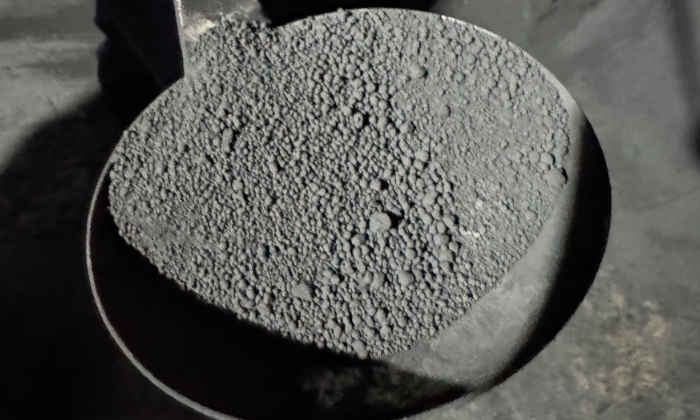
This report offers a thorough and critical review of alternative applications. It functions as an add-on module that enhances the planning of any ELT pyrolysis project by expanding and stress-testing the char offtake and valorization strategy early in development. As global pyrolysis capacity grows, large volumes of char need technically feasible and economically scalable outlets. The report assesses these pathways based on technical readiness, commercial maturity, process complexity, and realistic market absorption potential.