Recykal plans local end-of-life tire processing expansion in Hyderabad

Hyderabad-based waste-commerce company Recykal is planning to expand its recycling ecosystem by setting up hyperlocal processing units for several waste streams and end-of-life materials, including paper, batteries and end-of-life tires. The company, which operates a technology-driven platform connecting waste generators, recyclers and other waste management stakeholders, said the expansion is intended to bring processing closer to the locations where waste is generated. Recykal has raised $22 million, or around ₹162.8 crore, to strengthen its technology platform and broaden its operations. The proposed expansion into tire waste could support more organized collection and recycling of end-of-life tires, while the wider hyperlocal model may improve transparency, reduce transport distances and create a more decentralized circular economy network for recyclable materials.
Expansion to cover paper, batteries and tires
Recykal is planning hyperlocal processing units for different categories of waste, including paper, batteries and tires. Each waste stream requires different collection, handling and processing systems, making organized management important for environmental compliance and resource recovery.
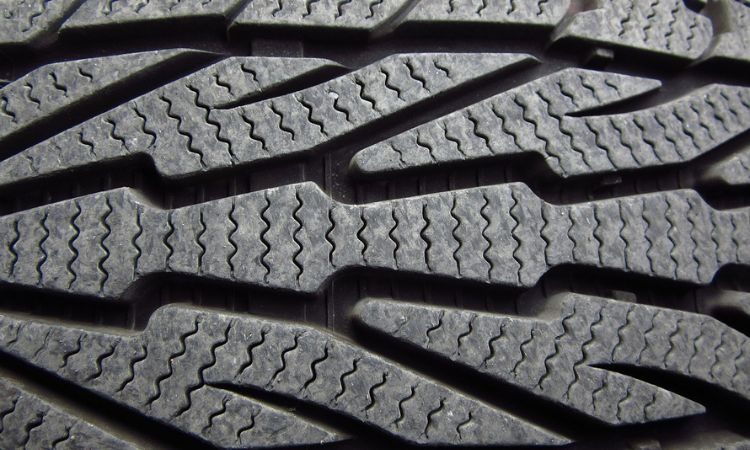
For tire recycling, local processing infrastructure can help improve the movement of end-of-life tires from generators to authorized recyclers. It may also support downstream markets for recycled rubber, crumb rubber, tire-derived materials and other recovery applications.
Technology platform connects recycling stakeholders
Recykal operates as a technology-enabled platform linking waste generators, recyclers and other participants in the waste management chain. Such platforms can help improve visibility across material flows, support collection coordination and connect recyclable materials with suitable processing facilities.
The company’s planned expansion is aimed at strengthening this ecosystem while adding physical processing capacity closer to waste generation points.
Funding to support technology and operations
The company has raised $22 million, equivalent to about ₹162.8 crore, which it plans to use to strengthen its technology and expand operations. The funding gives Recykal additional resources to develop its business model and increase its presence in India’s waste management sector.
Investment in technology and localized processing can help recycling companies improve efficiency, traceability and commercial scalability, particularly in fragmented waste streams where coordination between generators and recyclers remains a challenge.
Hyperlocal processing may reduce transport distances
The hyperlocal model could reduce the distance waste materials need to travel before reaching processing facilities. This may improve collection efficiency and reduce logistics costs while supporting more localized recycling activity.
For bulky materials such as tires, transport distance can be an important cost factor. Processing closer to source may help improve economics and reduce the likelihood that waste tires are stored, dumped or handled outside organized systems.
Hyderabad role in sustainability technology highlighted
Recykal’s Hyderabad base reflects the city’s growing role as a center for technology-driven sustainability businesses. Companies operating in waste management, resource efficiency and environmental technology are increasingly using digital tools to organize material recovery and circular economy operations.
The expansion plan positions Recykal to play a larger role in India’s recycling sector by combining software-enabled coordination with localized processing infrastructure.
Project supports circular economy development
The planned expansion reflects the growing importance of the circular economy in India, where businesses and cities are placing greater emphasis on recycling, material recovery and responsible waste management. By processing waste streams such as paper, batteries and tires closer to their source, Recykal aims to make recycling more efficient and commercially sustainable.
For the tire recycling sector, the development could create additional organized pathways for end-of-life tires and support higher-value recovery routes. More transparent and connected recycling systems may help strengthen compliance, reduce unmanaged waste and improve the flow of materials into productive reuse.
Article source: telugupeople.com.
Weibold is an international consulting company specializing exclusively in end-of-life tire recycling and pyrolysis. Since 1999, we have helped companies grow and build profitable businesses.